
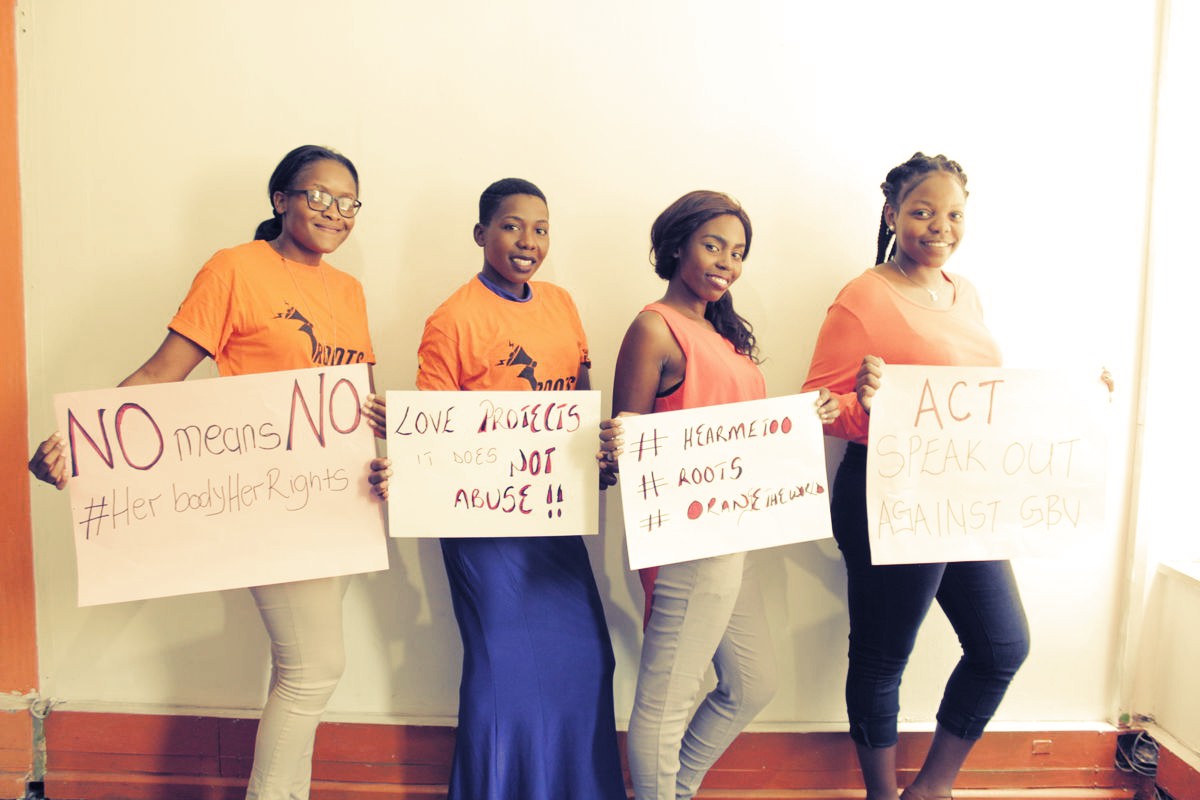




International Women’s Day ROOTS in partnership with Ministry of Women Affairs on the 22nd of March hosted the International Women’s Day celebrations at AFM church in Gweshe. The main objective of the day was to celebrate the power women have in ending GBV and child marria�e in Mazowe. The meeting was also an opportunity to sensitize women about their rights and discuss key issues including the issues of GBV, Child marriages and the economic empowerment
WOMEN are the face of development. When they are educated, healthy and participate effectively in key development activities, there is an undeniable ripple effect on the well-being of communities and nations at large. Yet, gender-based violence takes away their ability to fully utilise necessary basic human rights and consequently diminishes the potential of communities and countries to progress socially, economically and even in terms of political development. In Zimbabwe, about one in three women aged
It’s finally happening!! The ROOTS talk show started last Friday night, the 9th of November 2018. The ROOTS talk show is a platform created for young people to discuss issues that affect them at schools, at home and in society in general. As ROOTS we are aiming to be an Adolescents and Young People Infohub. So in other words the go to in terms of Adolescent Sexual and Reproductive Health and Rights. Catch us on
As ROOTS we provide alternatives for women in the communities we serve, bearing in mind that monetary issues can be the root causes to abuse. Our team is in Mazowe this week, focusing on empowering women with liquid soap making skills as a way of trying to reduce and end GBV. This liquid soap making skills training is under the CultureActions programme in ward 14 It is not only an initiative concerned with ending GBV
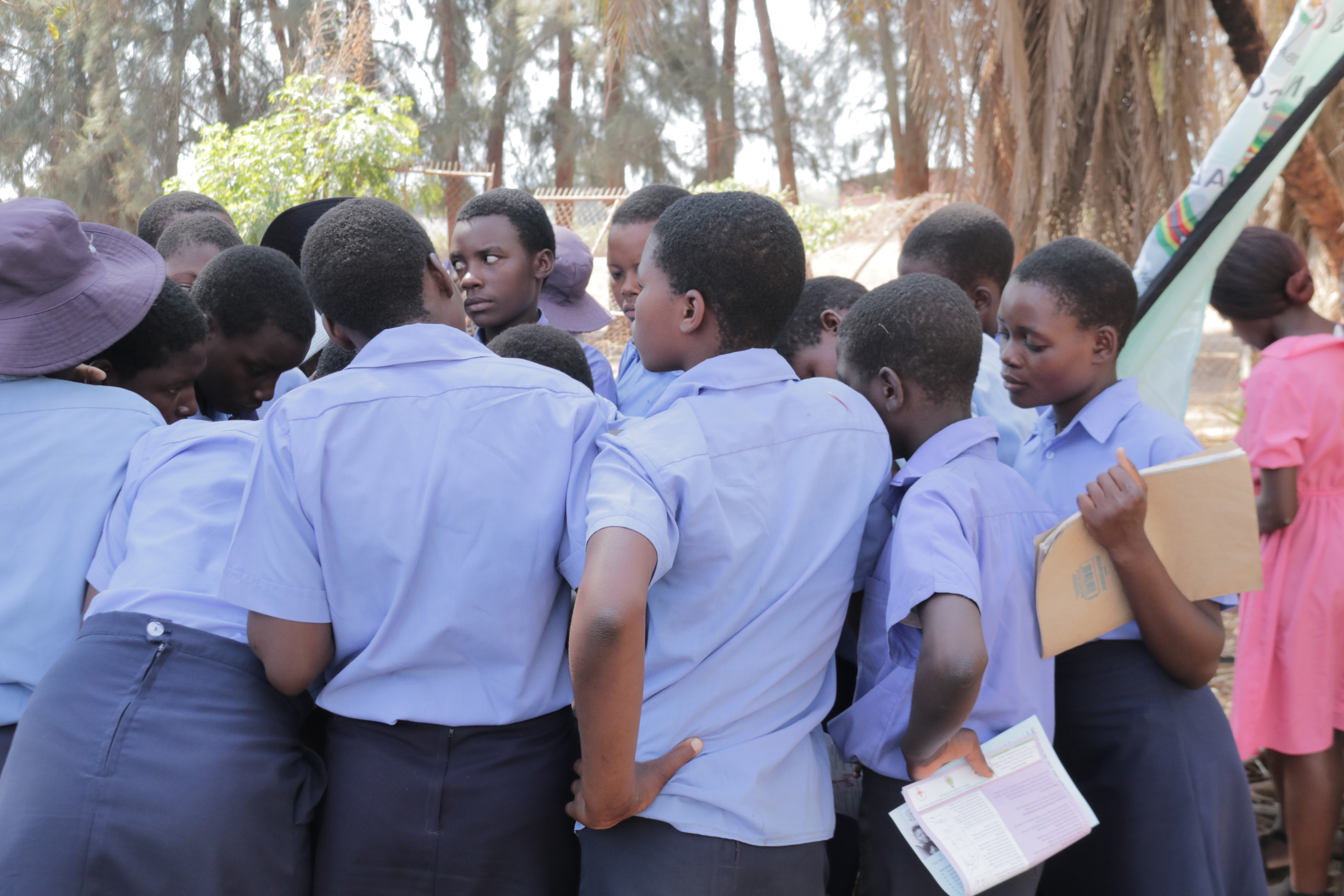
Real Open Opportunities for Transformation Support (ROOTS) hosted a Girls Wellness Fair in Bindura last Friday at Maizelands Secondary School in Bindura. ROOTS has noted with concern that child marriages are still occurring in the target area and one of the main drivers being barriers to the access to SRHR information. For many of young, the onset of adolescence brings not only changes to their bodies but also new vulnerabilities to human rights abuses, particularly


NEWSLETTER SIGN UP
PARTNERS


